
Certificate Programs
Find Focus. Add Depth.
A certificate has lots of upsides—interdisciplinary, yet focused. The achievement deepens your Duke experience, and it’s noted on your official transcript.
Plus, Duke’s certificate programs include a growing number of non-degree options designed especially for working professionals.
.
Undergraduate Certificates
Interdisciplinary by design. Explore hands-on projects and service learning.

Aerospace Engineering
In-depth exposure to computational methods of analyzing the performance of flight systems.

Architectural Engineering
Through hands-on experiences, you’ll explore the planning and design of major structures.

Energy and the Environment
Examine the challenges of meeting society’s need for clean and affordable energy.

Global Development Engineering
Explore how engineering interacts with culture, ethics and public policy.

Innovation & Entrepreneurship
Develop the mindset and skills needed to become an impactful designer and leader.

Materials Science & Engineering
From batteries to robotics, explore the impact of materials on technology, public policy and the economy.

Robotics & Automation
Tackle multidisciplinary robotics challenges in a range of professional settings.
Graduate Certificates
For master’s and PhD students. Consume a topic through four courses and a project.

Aerospace Research
Design aircraft, UAVs and turbines with reduced emissions and vibration and improved efficiency.

AI for Materials Science
Develop new materials with the properties needed to solve the biggest challenges.

Biomedical Data Science
Translate biomedical data into actionable health insights.
Biomolecular & Tissue Engineering
Investigate the interaction of proteins, cells and tissues with materials and drugs in natural biological processes, medical diagnosis and therapy.

Biotechnology
Gain deep knowledge of new techniques to model, analyze and design molecular and cellular systems.

Innovation & Entrepreneurship
Understand of the process of innovation and develop solutions to the challenges most important to you.

Medical Device Design
Design devices that improve patient’s lives—prepare for a career in the medical device industry.
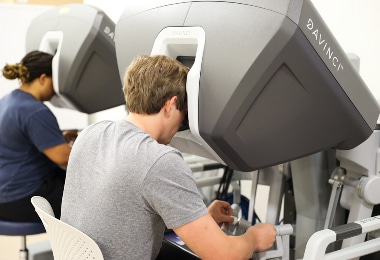
Medical Robotics
Design machines that enhance human surgical skill to improve the lives of patients.
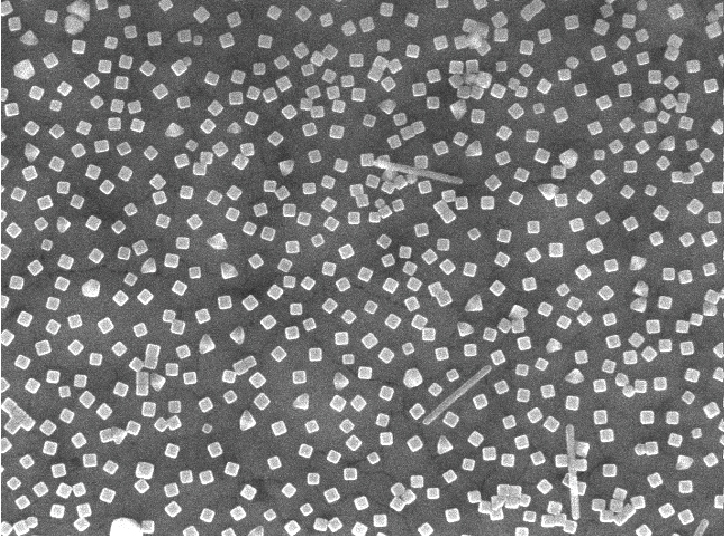
Nanoscience
Gain an interdisciplinary education in nanoscience and nanomaterials.
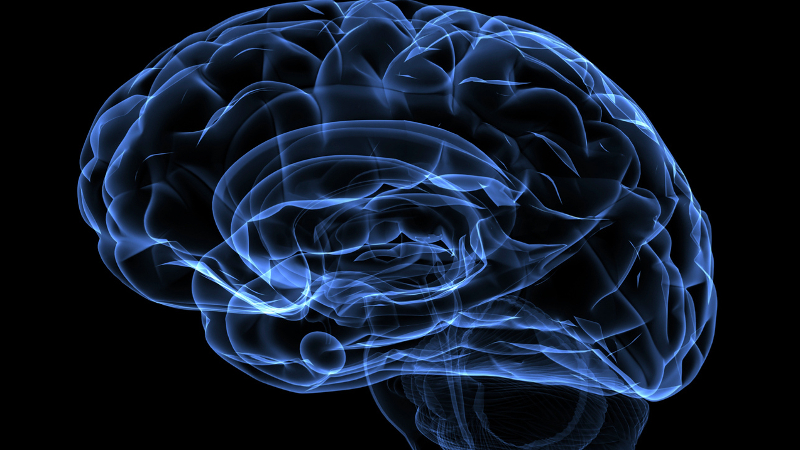
Neural Engineering
Discover new tools and approaches to diagnose, study, and treat disorders and diseases of the human nervous system.

Photonics
Explore light-based technologies as pathways to interdisciplinary research and new device development.

Robotics & Autonomy
Understand the systems that move independent, intelligent machines.
Professional Certificates
Gain career-ready knowledge without having to enroll in a full graduate degree program.

Chief Information Security Officer Executive Certificate
11 weeks, in-person and online. CISOs and c-suite executives learn to navigate and thrive in increasingly complex systems security environments.

AI Foundations Certificate
Designed by Duke especially for working professionals looking for foundational training in artificial intelligence and machine learning. Four graduate courses, taught online.

Business Foundations for Engineers Certificate
Especially for professionals in high-tech industries seeking new skills in marketing, finance and management. Four graduate courses taught online.
Interested in joining our community?
Start a conversation with Duke.