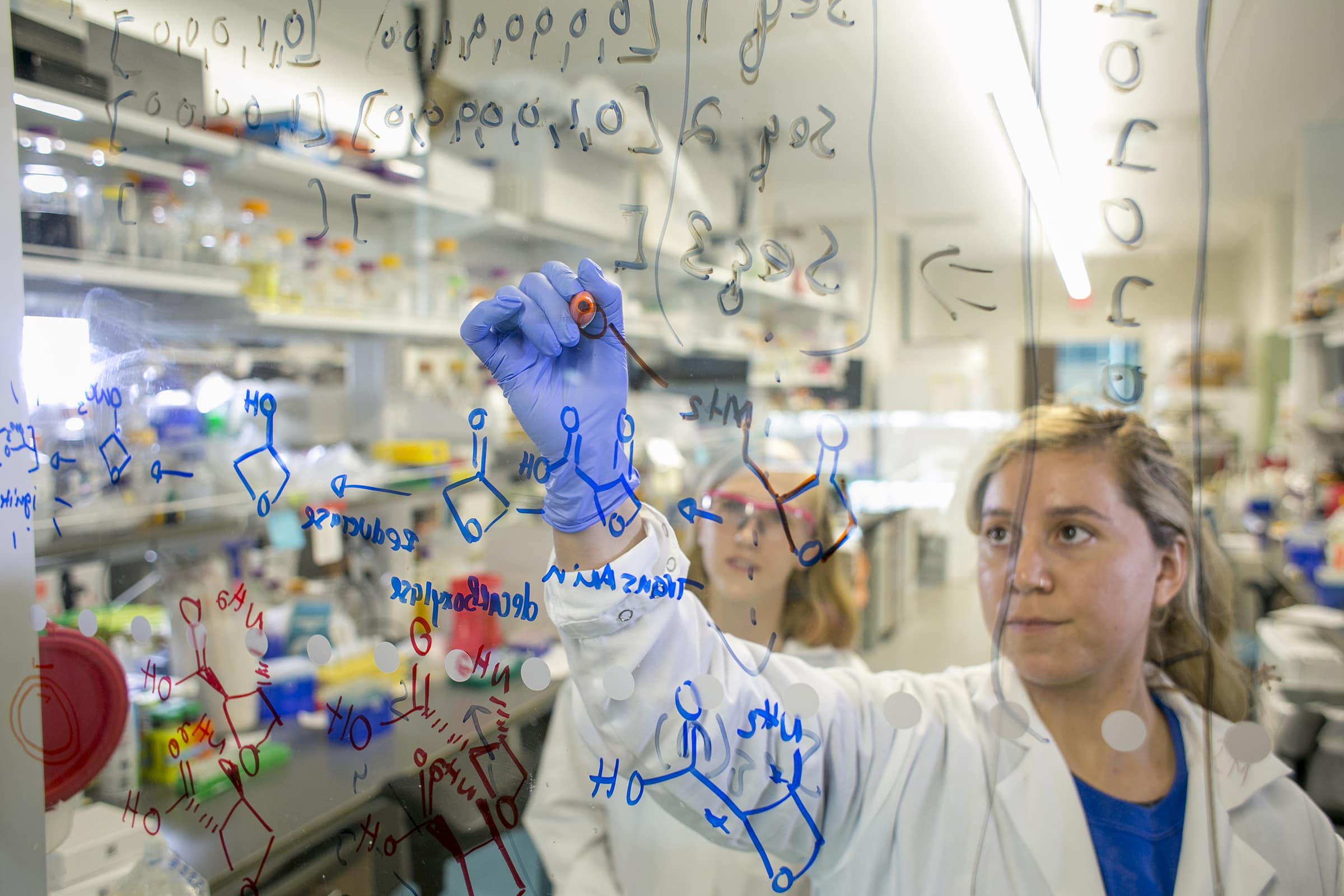
The experiential learning that begins in your first semester and continues through hands-on design challenges culminates in authentic research experiences with faculty in their laboratories. You’ll learn more about science and design than you ever thought possible—even if what you learn is that laboratory life isn’t for you.
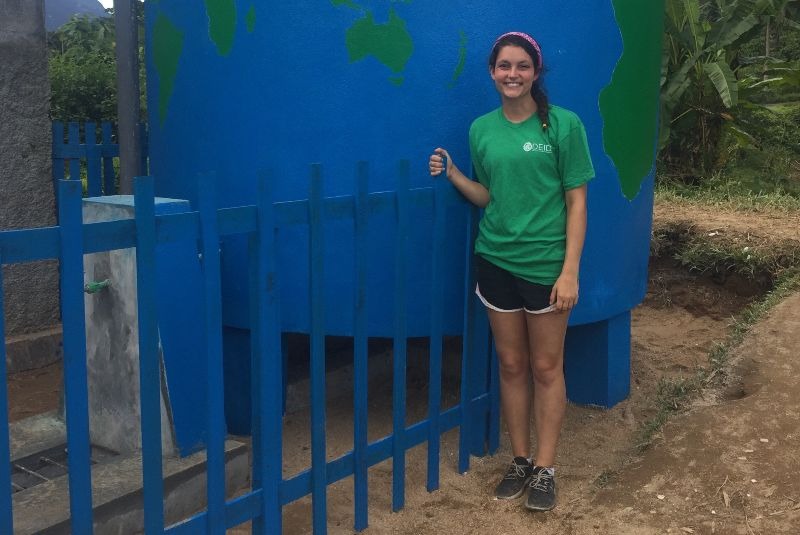
Being a Grand Challenge Scholar opened my eyes to broader systemic injustices, especially racial and socioeconomic injustices—not just in the United States but worldwide. I want to work to address those inequities.
Elizabeth GriffinClass of 2019 Katsouleas Grand Challenges Scholar | Read story »
Find a Research Experience with Muser
Duke’s online student research network is the place to start. Our faculty research labs list opportunities for undergraduates within the Muser system. Typically, there are three rounds of recruiting every calendar year. Research experiences usually last one semester.
This is your opportunity to work under faculty supervision on a research topic that you choose while earning course credit. Typically, first- and second-year students enroll in an independent study course as a free elective. Third- and fourth-year students enroll in an advanced elective in their major.
The Pratt Research Fellows Program provides opportunities for immersive research over three semesters. Third-year and advanced second-year students are encouraged to apply. Typically, Pratt Fellows graduate with distinction and with many other honors.
The Thomas C. Katsouleas National Academy of Engineering (NAE) Grand Challenges Scholars Program seeks leaders with the drive to take on some of the biggest challenges facing humanity—and want to start while they are still undergraduates.
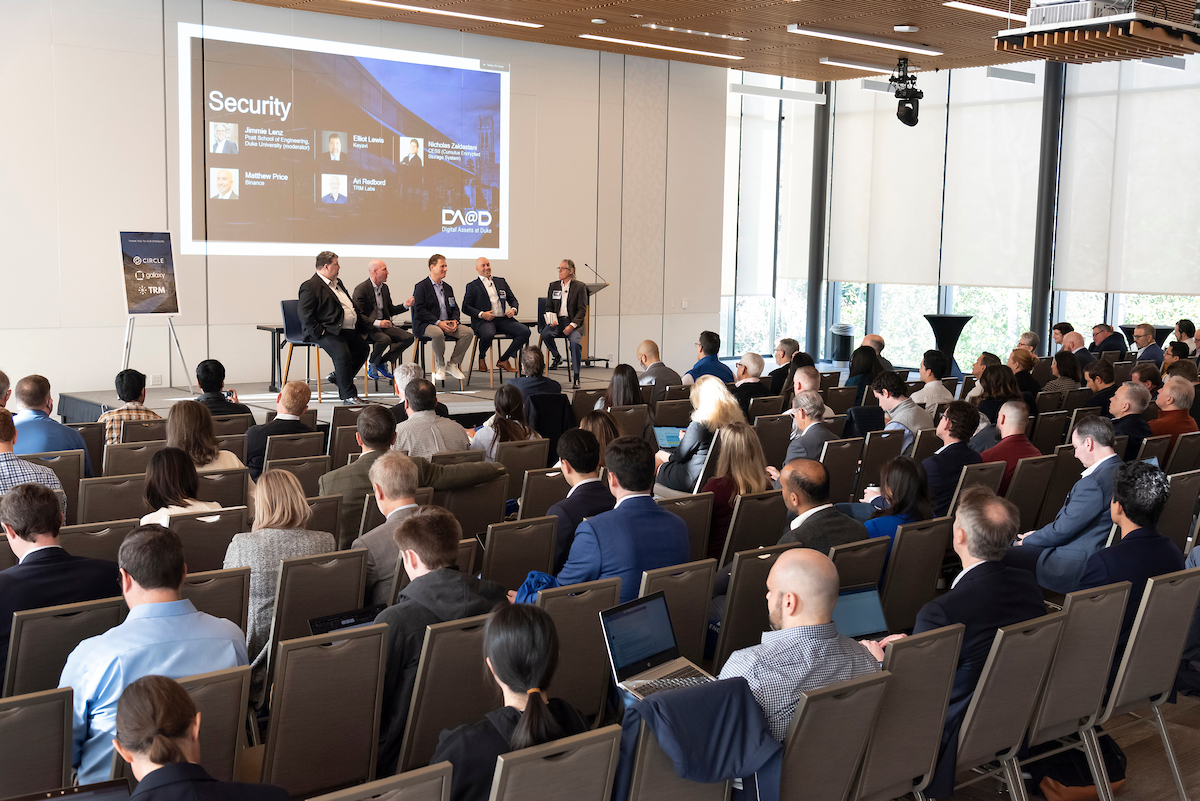
Experiential learning doesn’t end in the lab. It continues to authentic professional activity, including presenting your discoveries at academic and scientific conferences. As part of our holistic approach to student support, the Pratt School of Engineering provides grants of up to $500 to help students attend national or regional research conferences.